The Cheapest Way to Send a Parcel in the UK (2026 Prices Compared)
Find the cheapest way to send a parcel in the UK. Real 2026 prices from Royal Mail, Evri, InPost, Yodel and DPD, compared side by side, with tips that actually cut your postage bill.


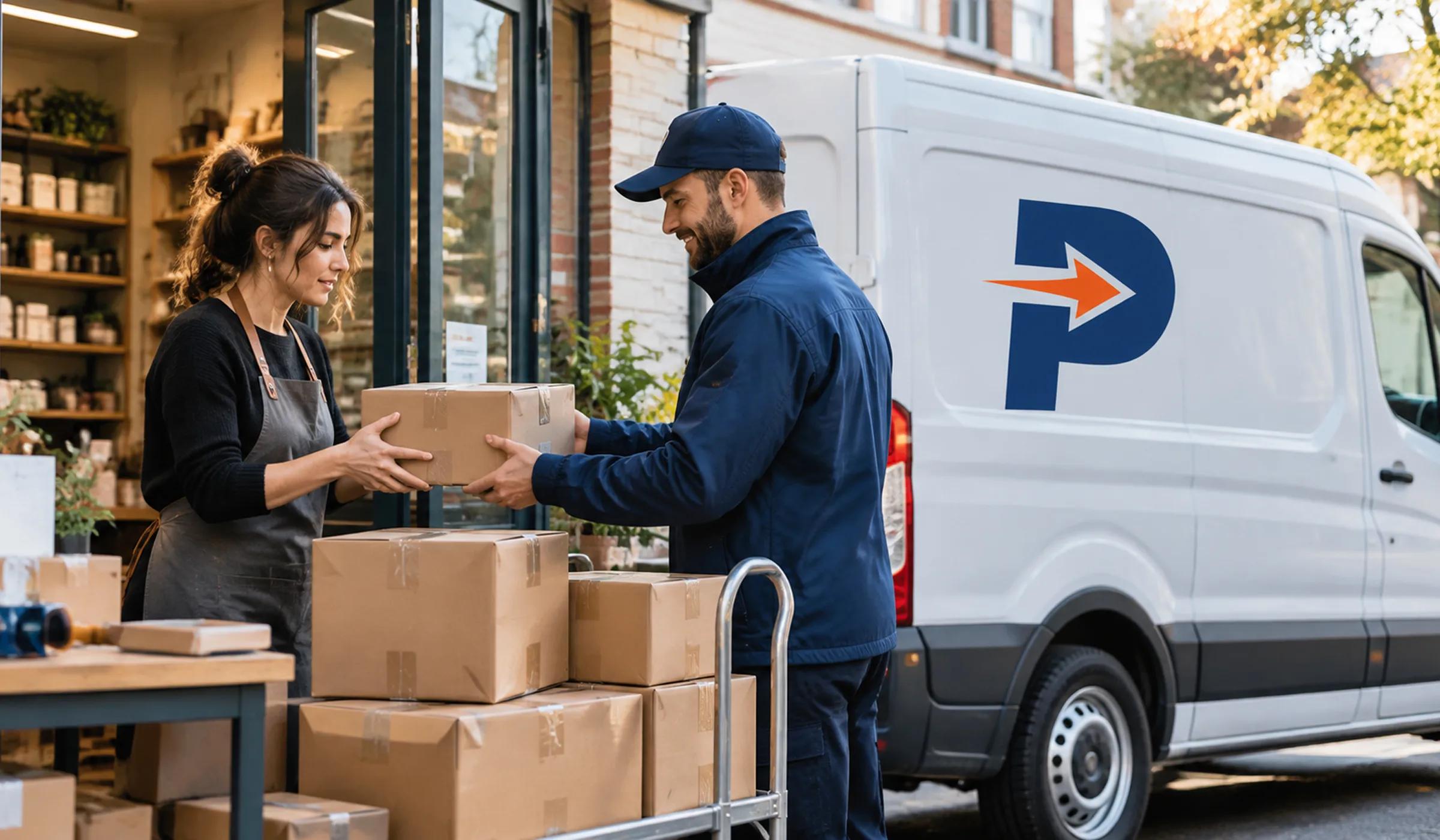
For most small businesses, postage starts as an afterthought and quietly becomes one of the biggest cost lines in the company. Ten orders a week becomes fifty, then two hundred, and suddenly you are spending more on labels than on marketing, with a process that still involves someone's kitchen table and a queue at lunchtime.
We work with senders at every stage of that journey, from first Etsy sale to two hundred parcels before lunch. This guide covers what actually matters: paying the right price, choosing couriers deliberately, packing so claims never happen, and building a dispatch routine that does not eat your week.
Here is the uncomfortable maths. If you send 100 parcels a month and overpay by £1.50 each, that is £1,800 a year gone. Not to a supplier, not to marketing, just to not comparing.
The overpayment usually comes from three habits:
Fixing those three is usually worth more than any single supplier discount a small business will ever negotiate.
Before comparing carriers, get specific about what you actually send. Ten minutes with a tape measure and your order history answers four questions:
That profile decides everything. A candle business sending 800g boxes nationwide has a completely different best answer than a furniture upcycler sending 18kg flat-packs. Most businesses discover they have two or three parcel profiles, and each one may have a different best courier.
From the comparison data we see daily, this is how the main carriers line up for business senders in 2026:
Evri is the workhorse for light, low-value orders: clothes, accessories, books, crafts. Rates from around £2.50 to £3.50, a huge drop-off network, tracking included. Its weak spot is customer service when things go wrong, so keep it for orders you could afford to resend.
Royal Mail earns its place for letterbox-sized products and remote coverage. If your product fits a large letter format, nothing else comes close on price, and Royal Mail delivers to every UK postcode with no remote surcharges. Buyers also trust it, which shows in marketplace feedback.
DPD is the premium pick for orders worth protecting: electronics, gifts, anything over about £50. The one-hour delivery window and photo proof cut "where is my order" messages dramatically, and failed first deliveries are rare.
Yodel and others matter because on any given day, for a specific size and route, they win. That is not a reason to manage five courier accounts. It is a reason to book through one platform that compares them automatically.
The pattern that works for most small businesses: one budget carrier for standard orders, one premium carrier for express and high-value orders, chosen per parcel by live price rather than habit.
Somewhere around 20 to 30 parcels a week, the booking process itself becomes the bottleneck. Typing addresses one checkout at a time is how an hour disappears every evening.
This is the point to move to a business account. On Parcel Match, that unlocks the tools built for exactly this stage:
None of that changes the vans your parcels ride in. It changes what you pay and how much of your week the process consumes, which at volume are the two things that matter.
Damage claims cost small businesses twice: the refund and the review. Almost all of them trace back to packing, and packing is entirely in your control.
The short version of doing it properly: double-walled boxes for anything heavy or fragile, void fill until nothing moves when shaken, the H-taping pattern on seams, and the label flat on the top face. For fragile products, double-boxing (item boxed, floated in fill inside a second box) is what "professionally packed" means, and it is the standard carriers expect when they assess a damage claim.
Two business-specific additions. First, standardise. Pick two or three box sizes that fit your products, buy them in bulk, and your packing gets faster, your costs get predictable, and your volumetric weights stop surprising you. Second, weigh and measure the packed parcel once, save the numbers, and reuse them on every booking. Guessed weights are how surcharges eat margin retroactively.
Delivery promises sell, and broken ones refund. Three rules keep you on the right side of that line:
Quote dispatch and delivery separately. "Dispatched within 1 working day, delivery 2 to 3 days" is honest and survivable. "Arrives Tuesday" is a promise you do not control.
Price your postage properly. Check the real cost of sending your typical parcel before setting your shop's postage price. Sellers who guess tend to undercharge by £1 to £2 per order, which is a silent leak that scales with success.
Offer two speeds, not five. A standard option and an express option cover almost every customer. Each extra choice adds admin and confusion without adding sales.
On returns: make the process clear before anyone asks. A simple returns page with who pays, and a bookable return label when they do, turns a complaint moment into a service moment. Return labels can be booked through the same comparison as outbound ones.
Send enough parcels and one will go missing or arrive rattling. What separates businesses that shrug this off from businesses that lose days to it:
Photograph valuable orders before sealing. Item, packaging, label. Twenty seconds per parcel, and claims become formalities instead of arguments.
Check inclusive cover against order value. Budget services include £20 to £25 of compensation. For a £150 order, add cover or use a service with higher inclusive protection. The extra pound is insurance priced like insurance should be.
Know each carrier's prohibited list before you sell, not after. Perfume, aerosols, batteries and alcohol carry restrictions that differ by carrier, and prohibited items void compensation entirely.
Respond to the customer first, claim second. Resend or refund the customer promptly, then pursue the claim on your own timeline. The review is worth more than the claim.
If your shipping is currently ad hoc, one focused week fixes it:
Postage never becomes glamorous. But it can become boring, cheap and fast, which for a cost line is the highest compliment available.
What is the cheapest way for a small business to send parcels?
Compare live rates per parcel rather than defaulting to one courier, use drop-off for light parcels and account collection at volume, and move to negotiated business rates once you pass roughly 20 parcels a week. Together those typically cut 30% or more off retail postage costs.
Which courier is best for a small business in the UK?
Usually a pair: a budget carrier (often Evri or Royal Mail, depending on parcel size) for standard orders and a premium one (often DPD) for express and high-value orders. The right mix depends on your parcel profile, not on anyone's favourite.
Do I need a business account to get better rates?
Volume unlocks the best pricing, but comparison rates beat retail from parcel one, with no account needed. On Parcel Match you can compare without signing up and add the business account when your volume justifies it.
How do VAT and invoices work on postage?
Courier charges to a business are generally standard-rated for VAT, and you will want itemised VAT invoices for your records. Parcel Match shows VAT separately on every quote and provides a downloadable invoice per shipment, plus monthly statements on business accounts.
How should I handle customer returns?
Publish a clear returns policy, decide in advance who pays return postage, and book return labels through the same comparison you use for outbound. A painless return is one of the cheapest loyalty tools a small shop has.
Can I ship 100+ orders at once without typing each address?
Yes. Export your orders as a CSV from your shop platform, upload up to 200 at once through a Parcel Match business account, and print all labels together.
Prices and figures are correct at the time of writing (September 2026) and change regularly. Run a live comparison for your own parcel profile before setting prices.
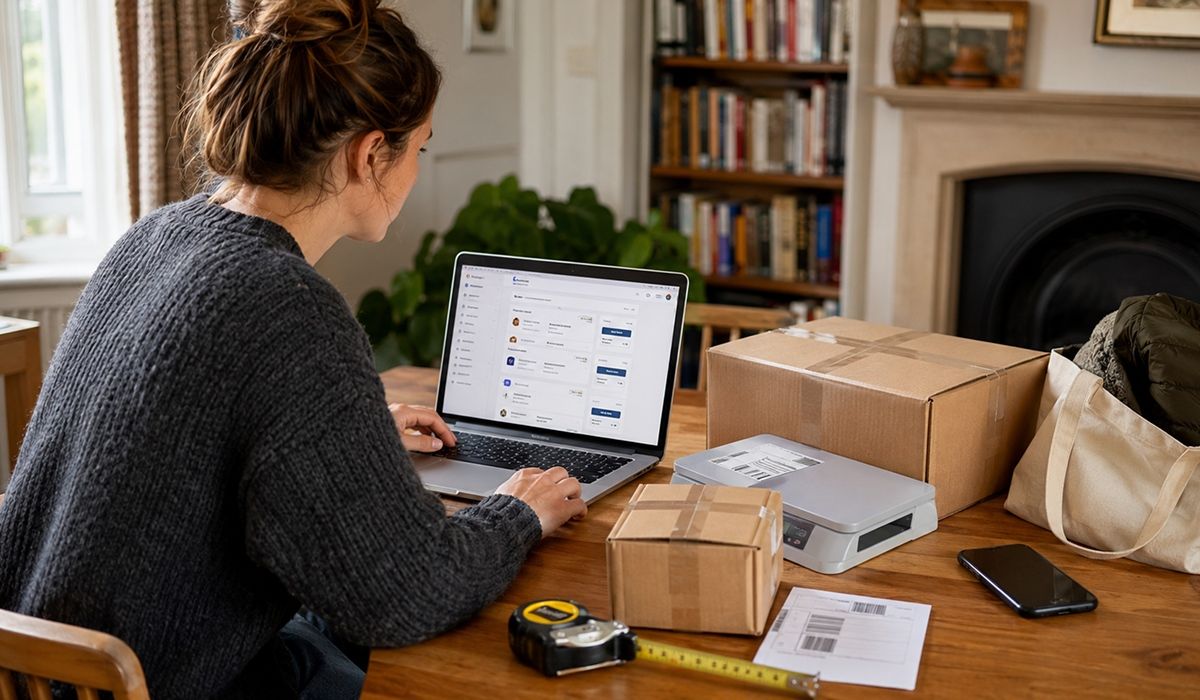
Find the cheapest way to send a parcel in the UK. Real 2026 prices from Royal Mail, Evri, InPost, Yodel and DPD, compared side by side, with tips that actually cut your postage bill.
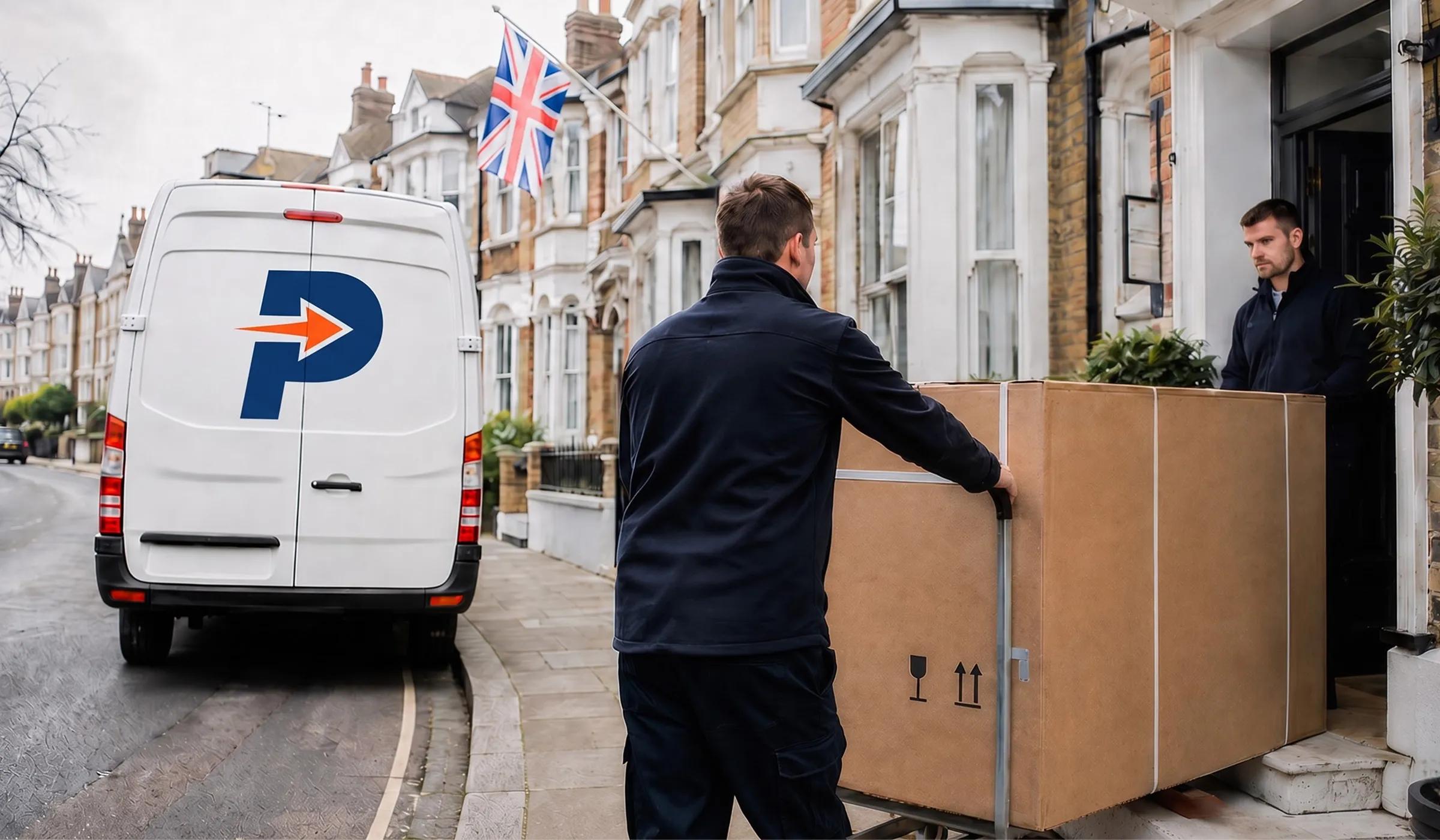
Sending a large or heavy parcel in the UK? Compare 2026 size limits and prices for DPD, Parcelforce, Evri and UPS, learn what counts as “large”, and avoid the surcharges that catch most senders.
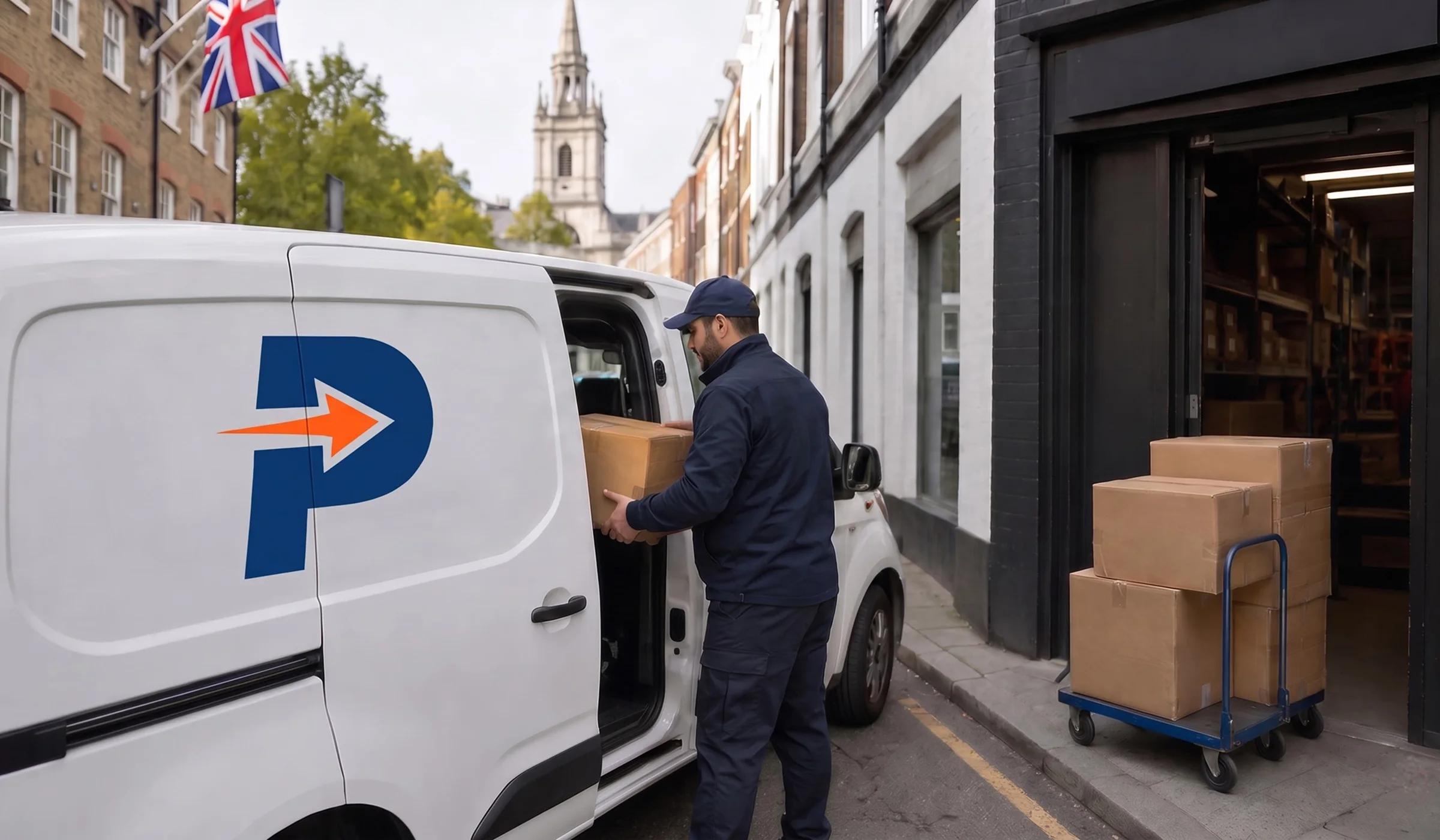
Need a parcel there today or tomorrow? Compare 2026 UK same day courier and next day delivery prices, cut-off times and options from DPD, Royal Mail, Evri and UPS, plus tips to pay less for speed.