Evri vs Royal Mail vs DPD vs Yodel: An Honest Comparison
Which UK courier is actually best in 2026? We compare Evri, Royal Mail, DPD and Yodel on price, speed, tracking and compensation, with straight answers on who wins for each type of parcel.


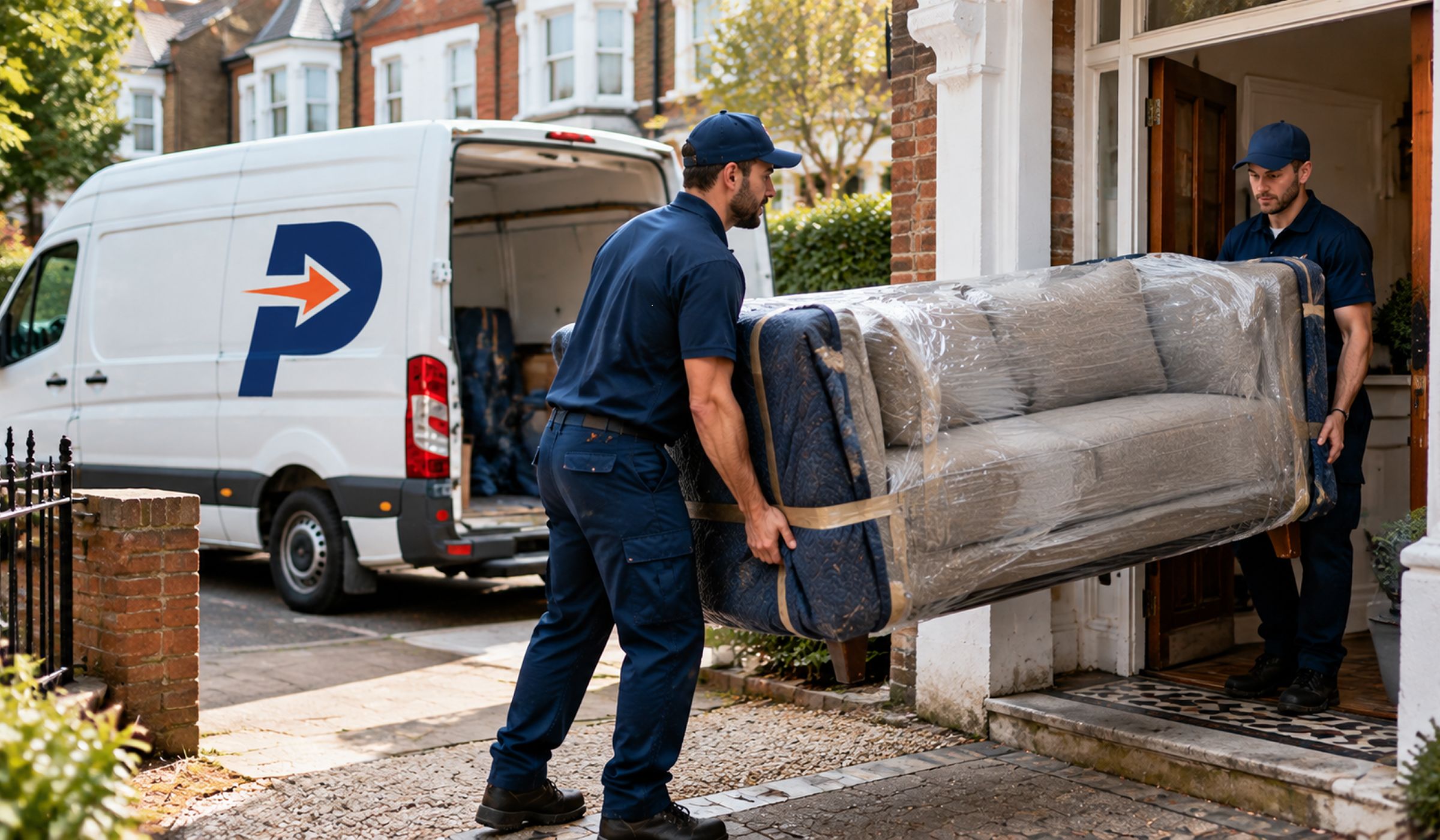
Furniture is where parcel sending meets its limits. A lamp is a parcel. A dining chair is probably a parcel. A wardrobe is absolutely not a parcel, whatever ambitions you have for it, and a mattress sits somewhere in the awkward middle.
We see all of these run through our comparison, and the difference between a smooth furniture delivery and an expensive mess usually comes down to one early decision: choosing the right kind of transport for the item, before packing anything. So that is where this guide starts.
The rule of thumb: under 30kg and boxable, use the parcel network and save real money. Over that, or unboxable, go two-person or pallet, and stop trying to make a parcel courier carry a sideboard.
Honest ballparks for UK mainland at the time of writing. Live quotes move with size, weight, route and season.
Two cost habits carry over from every other guide we have written. Book online rather than by phone, and compare before you commit, because the spread on large items is the widest in the delivery market. Quotes for the same sofa on the same route can differ by £60.
Here is the single most useful thing in this guide: disassembly moves items down a category, and categories are where the money is.
A dining table with legs on is a two-person job at £60 plus. The same table with legs unbolted becomes one flat, dense box plus one long, light box, both inside parcel network limits, both travelling for £15 to £30 total.
Ten minutes with an Allen key routinely saves £40 or more. Before booking anything assembled, ask: do the legs come off? Do the shelves lift out? Does the bed frame break down? If it arrived flat-packed once, it can travel flat-packed again.
Keep every bolt in a labelled freezer bag taped to the largest panel, photograph the assembly points before you take them apart, and the person at the other end will forgive the homework.
Furniture damage is nearly always edges and corners, so that is where the packing effort goes.
For boxed (parcel network) items:
For blanket-wrapped (two-person) items:
Marks and evidence: photograph the item from all sides before wrapping, dated, same as we advise for every valuable shipment. Claims on furniture turn entirely on before-and-after evidence.
Mattresses are light for their size, huge for their weight, and floppy in a way delivery networks dislike. The approach depends on the mattress.
Memory foam mattresses are the easy ones. They compress. If you have (or can borrow) a vacuum mattress bag, you can shrink most foam mattresses back to a fraction of their size, roll them, strap them and often bring them inside parcel network dimensions. That turns a £70 large-item job into a £20 to £30 parcel. Vacuum mattress bags cost £10 to £20 online and work with a household vacuum cleaner. One honest caveat: check the manufacturer's guidance, because some foam mattresses should not stay compressed for more than a few days, and a compressed mattress should be unpacked promptly on arrival.
Sprung and hybrid mattresses should not be rolled or folded; it damages the springs permanently. These travel flat or gently arched in a mattress bag (the £5 polythene kind, non-negotiable for hygiene at the receiving end), via a two-person service or a courier that accepts unboxed large soft items.
Whatever the type, bag it. A mattress that arrives with van marks on the fabric is a refund waiting to happen, and an unbagged mattress may simply be refused by the buyer on arrival.
Cost-wise: compressed foam mattress £20 to £30 by parcel, full-size mattress £40 to £90 by large-item service depending on route. If the mattress was cheap, check the maths before shipping it at all; sending a £150 mattress £80 across the country rarely beats selling locally and buying nearer.
For the growing crowd selling furniture on eBay, Facebook Marketplace, Vinted Home and Etsy, delivery is the difference between a local audience and a national one. Three practices from sellers who do this well:
Price delivery before you list. Get a real quote for the item's packed size and build it into the listing or state it plainly. "Delivery £25 UK mainland" sells; "delivery TBC" stalls.
Say what kind of delivery it is. Kerbside pallet delivery means the buyer needs to get it inside themselves. Two-person means it comes in. Mismatched expectations here generate the angriest messages in furniture selling.
Default to disassembled. Flat items are cheaper to send, easier to pack, and less likely to be damaged. Sell the table as "legs detach for shipping" and everyone wins.
For upcyclers and small furniture businesses sending weekly, this is also exactly where a business account starts paying for itself: negotiated rates on heavy parcels, bulk booking, and collection built into the workflow rather than arranged parcel by parcel.
And in all four cases: compare quotes, because nowhere in UK delivery is the price spread wider than on big items. Parcel Match compares the parcel network options for everything boxable in one search, with every fee shown before you pay, and a 30-second comparison on a £25 item is the same habit that saves £60 on a £600 one.
Can I send furniture through a normal parcel courier?
Yes, if it can be boxed and lands under roughly 30kg and 175cm to 250cm in length depending on carrier. Disassembling to flat-pack is the trick that brings most small furniture inside those limits.
How much does it cost to ship furniture in the UK?
At the time of writing: boxed items £10 to £25 by parcel courier, two-person large item deliveries £40 to £120, single pallets £40 to £80. Compare quotes for your exact item; spreads are wide.
Can you send a mattress by courier?
Foam mattresses, yes: vacuum-compress, roll, bag and send as a parcel for £20 to £30. Sprung mattresses should not be rolled and need a large-item or two-person service, typically £40 to £90.
Is it safe to roll a memory foam mattress?
Generally yes for transport, using a vacuum bag, for a short period. Check the manufacturer's guidance on how long it can stay compressed, and unpack promptly on arrival.
What is kerbside delivery?
Pallet and freight services deliver to the kerb outside the address on a tail-lift truck. Getting the item indoors is the recipient's job, so warn them in advance and have help ready.
How do I stop furniture from arriving damaged?
Wrap first, box second, protect every corner, immobilise everything inside, and photograph the item before packing. For assembled pieces, remove glass and secure doors and drawers. Corner damage is the most common claim, and corner protectors are the cheapest prevention.

Which UK courier is actually best in 2026? We compare Evri, Royal Mail, DPD and Yodel on price, speed, tracking and compensation, with straight answers on who wins for each type of parcel.
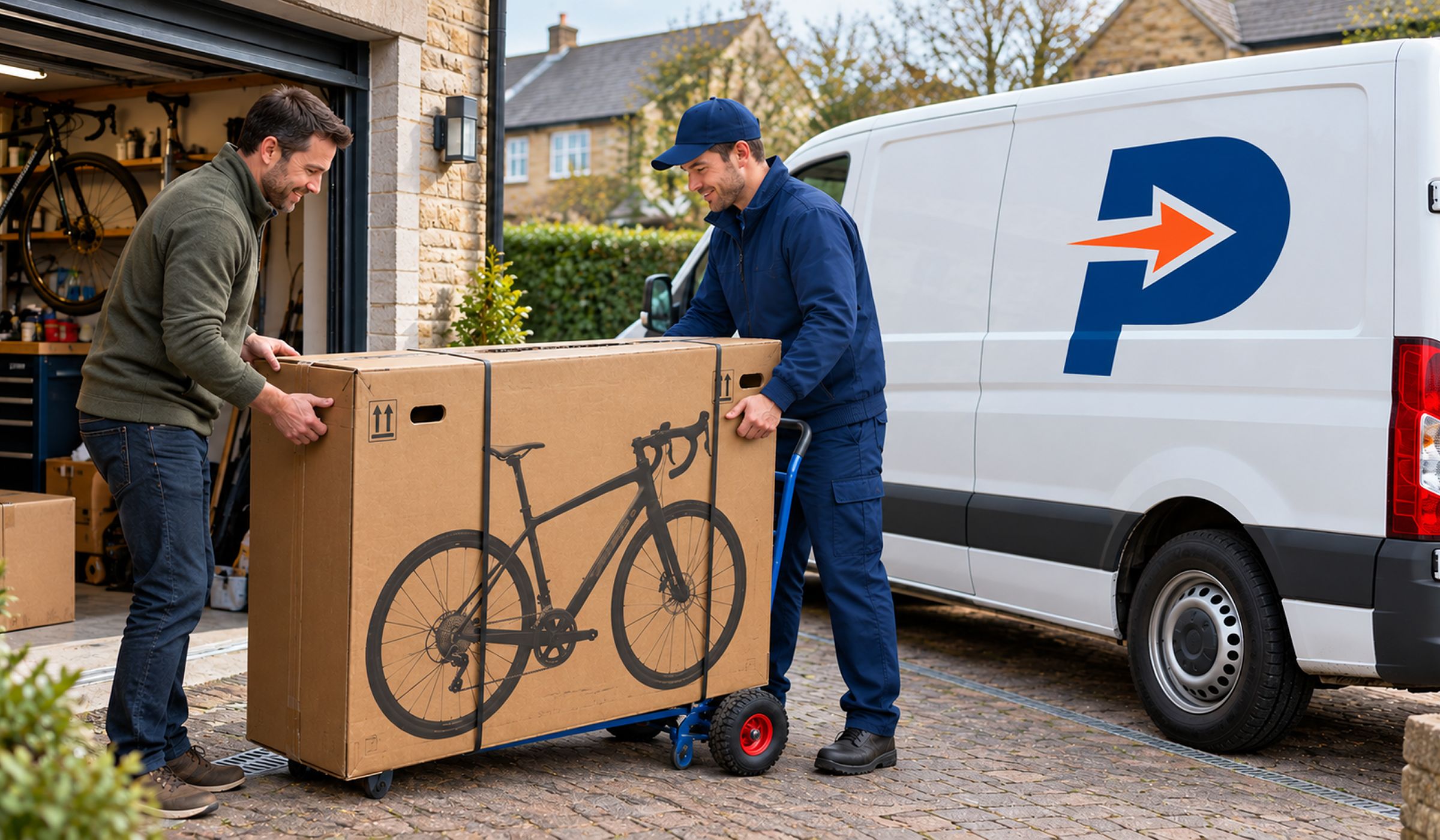
Learn which couriers accept boxed bikes, what UK delivery costs, how to pack a bicycle safely, and what to do about e-bike batteries.
Drop your parcel at a shop or locker, or have a courier collect it from your door? Compare 2026 costs, cut-off times and when each option actually makes sense for UK senders.