Parcel Delivery for Small Businesses: The Complete Guide
A practical guide to small business parcel delivery in the UK. Cut postage costs, pick the right couriers, handle returns and claims, and set up shipping that scales with your orders.


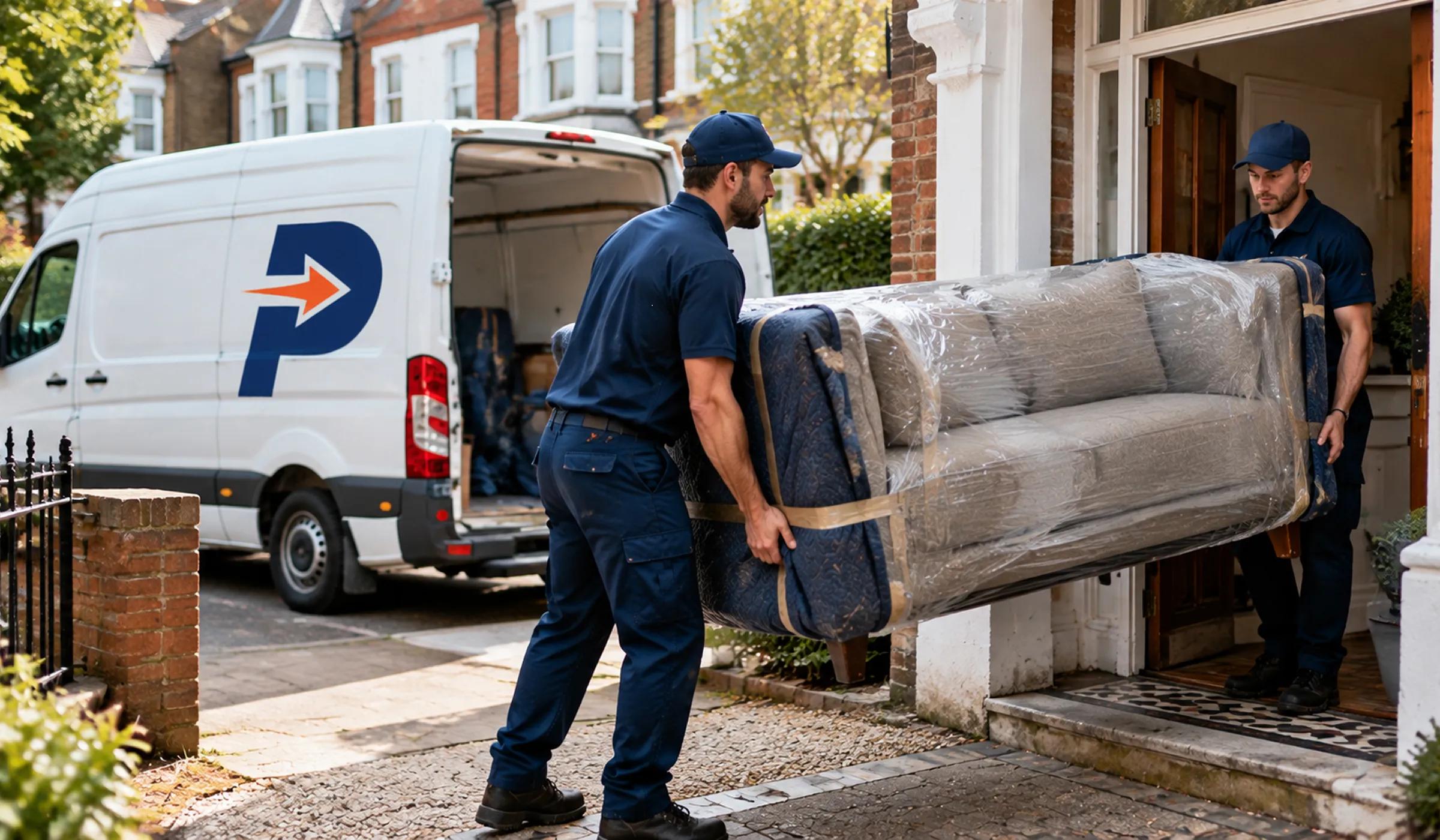
Every parcel booking ends with the same small decision: take the parcel somewhere, or have someone come to you. It looks trivial. Over a year of regular sending, it quietly decides whether you overpay by a hundred pounds or so, and whether your parcels make tonight's van or tomorrow's.
We watch thousands of bookings move through our comparison, and people get this choice wrong in both directions. One-off senders pay collection fees for parcels they walk past a drop shop to post. Small sellers haul twenty boxes to a locker every week when a £3 collection would buy them their Saturday back. Here is how to actually decide.
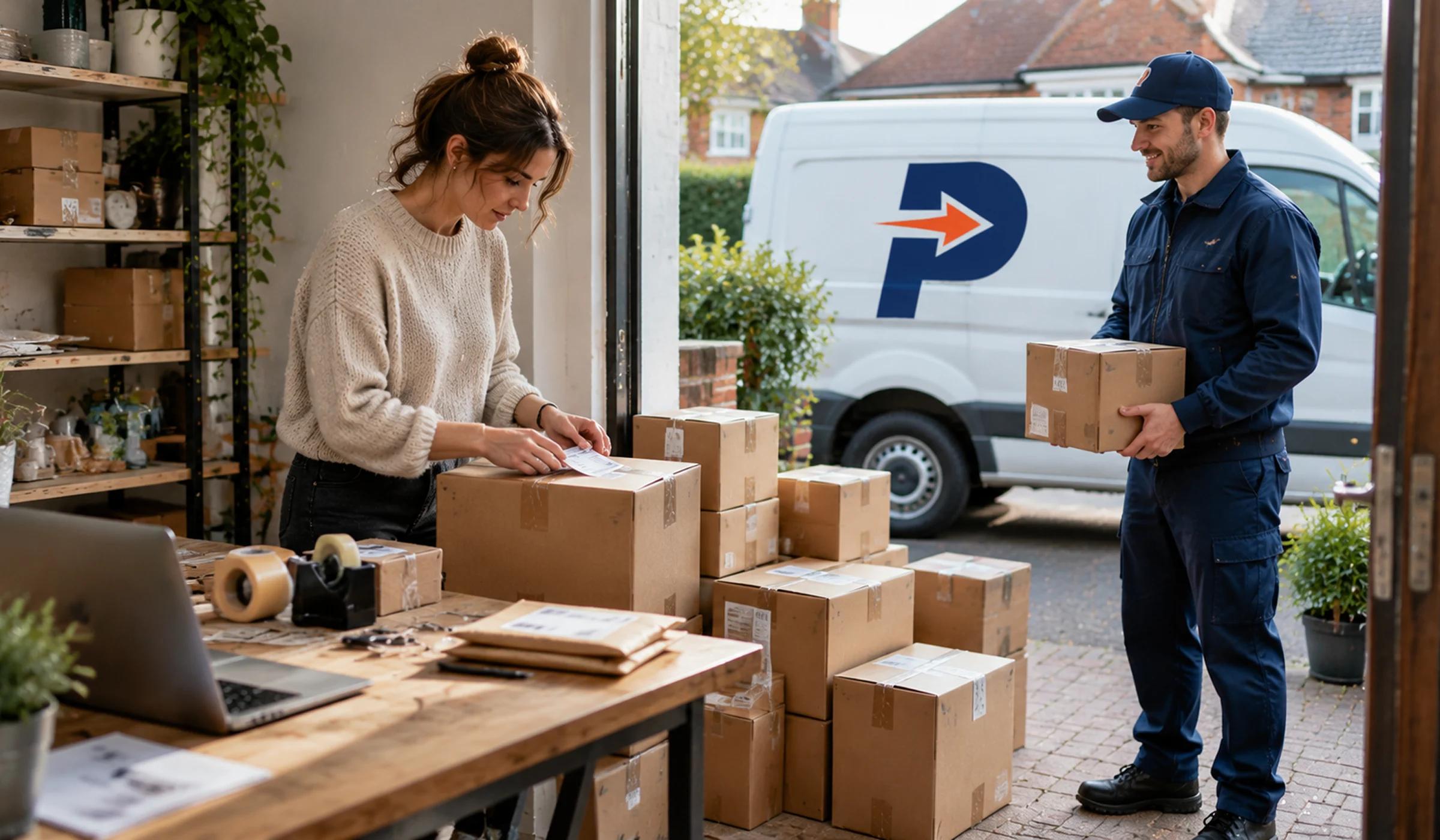
Drop-off means you take the labelled parcel to a nearby point: a corner shop ParcelShop, a locker, a Post Office or a courier depot. The courier picks up from there in bulk.
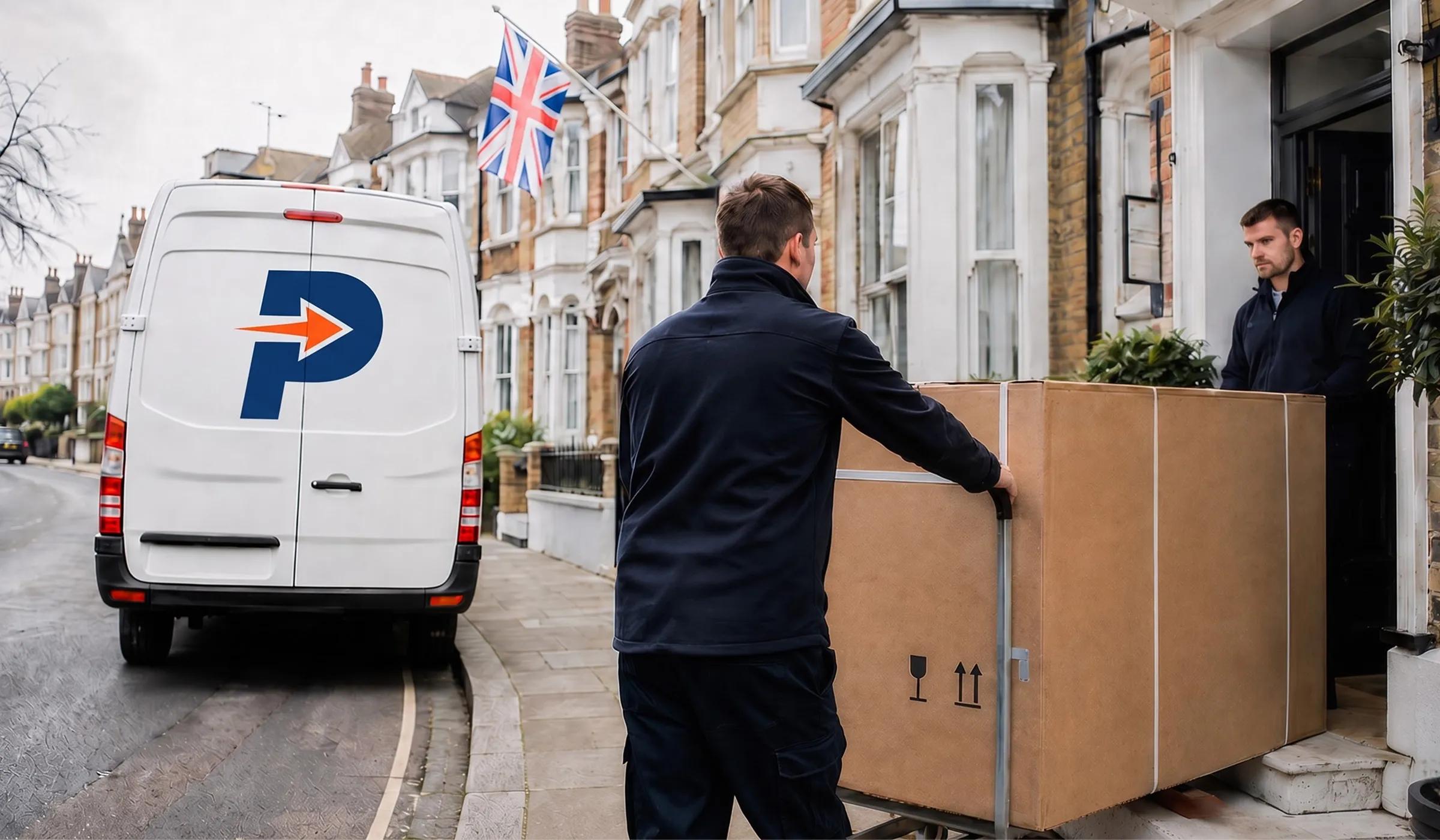
Collection means a driver comes to your address, takes the parcel from your doorstep and puts it straight into the delivery network.
Same parcel, same destination, same courier. The difference is who does the first mile, and that first mile is what you are paying (or not paying) for.
The reason drop-off is cheap is scale, and the scale in 2026 is remarkable:
For most UK postcodes, there are several drop points within a mile. The odds are good that one sits on a route you already walk or drive.
The rule of thumb: drop-off is £1 to £2 cheaper per parcel than collection, though the exact gap varies by courier and service.
A few real markers from 2026 pricing. Evri and Yodel typically charge 50p to £1 extra for collection over drop-off. Royal Mail's Parcel Collect adds around 30p per parcel to have your postie take it from your door, which is one of the cheapest collections in the market. DPD prices its pickup-shop drop-off below its standard collection service.
Collection is not always dearer, which surprises people. On some heavier services the collection price is baked in, and during quiet periods some carriers price them level. This is exactly the kind of quirk a live comparison catches and a habit does not.
You send occasionally and the parcel is manageable. One or two parcels, under about 10kg, and a drop point on your usual route: drop-off wins on price almost every time.
You want the latest possible cut-off. With drop-off, you control when the parcel enters the network. Get it to the shop or locker by mid-afternoon and it makes tonight's collection. No waiting in for a driver, no missed-collection roulette.
You want proof of posting instantly. Shops scan the parcel in front of you; lockers photograph and timestamp the deposit. That scan is your evidence the parcel exists and left your hands, which matters if anything goes wrong later.
Your schedule is unpredictable. Lockers are open at midnight. Collection windows are not.
The parcel is big or heavy. Nobody enjoys carrying a 20kg box through a shopping centre, and many drop points cap what they accept around 15kg to 25kg anyway. For large parcels, collection is often the only sensible option, and sometimes the only option full stop.
You are sending several parcels at once. Five boxes is two awkward trips to a locker or one driver at your door. Somewhere between two and five parcels, the collection fee stops being a cost and starts being the cheapest labour you will ever hire.
You sell online and dispatch daily. Regular sellers should price their time honestly. If a £1 collection fee saves a 25-minute round trip, that is the best pound in your business. Better still, business accounts usually fold collection into the rates.
You are without transport, or the weather has opinions. A driver coming to you beats a bus journey with a bin-bagged mattress topper every single time.
Collections are booked as windows, usually a day or half-day slot, and here is the bit that matters: a booked collection is not a guaranteed collection time. Drivers run routes, routes run late, and if you miss each other the parcel goes nowhere until the rebooked slot.
Three ways to make collections behave:
Drop-off has its own version of this: the shop's advertised courier collection time is the real cut-off, not the shop's closing time. A parcel dropped at 7pm in a shop whose Evri van came at 4pm starts travelling tomorrow.
Here is the simple version we would give a friend:
And whichever you choose, check both prices at booking. On Parcel Match, every quote shows drop-off and collection options side by side with the exact price difference, so the decision takes five seconds and zero guesswork. Sometimes the gap is £2. Sometimes it is 20p. Occasionally collection is cheaper, and you would never know without looking.
Usually drop-off, by £1 to £2 per parcel. Royal Mail is the notable exception: Parcel Collect adds only around 30p to have your postie collect from your door. Compare both at booking, because the gap varies by courier, size and service.
Policies vary. Most will rebook a missed collection free the first time, but you lose a day. If a driver could not access your address, some treat it as a failed collection. The practical fix is parcel-by-the-door readiness and good delivery notes.
Up to a point. Most ParcelShops and lockers cap parcels around 15kg to 25kg, and locker parcels also have to fit the compartment. Above that, collection is usually required, and for genuinely heavy items it is the better option anyway.
Almost certainly closer than you think: the UK now has well over 100,000 drop locations across ParcelShops, lockers, Post Offices and parcel postboxes. When you book through Parcel Match, we show the drop points for your chosen courier around your postcode.
Often not anymore. Most lockers work from a QR code, and many ParcelShops print the label in store from a code on your phone. Check the service details at booking; label-free options are flagged.
Yes. The shop or locker scan is the first tracking event, and it doubles as your proof of posting. Keep the receipt or confirmation screen until delivery completes.
Prices and network figures are correct at the time of writing (September 2026) and change regularly. Compare live drop-off and collection prices for your exact parcel before booking.
A practical guide to small business parcel delivery in the UK. Cut postage costs, pick the right couriers, handle returns and claims, and set up shipping that scales with your orders.
Find the cheapest way to send a parcel in the UK. Real 2026 prices from Royal Mail, Evri, InPost, Yodel and DPD, compared side by side, with tips that actually cut your postage bill.
Sending a large or heavy parcel in the UK? Compare 2026 size limits and prices for DPD, Parcelforce, Evri and UPS, learn what counts as “large”, and avoid the surcharges that catch most senders.